Look, the bottom line is, in my 15 years working with healthcare providers across the UK, I’ve seen pinworm infestations frequently relapse because treatments weren’t repeated properly. What I’ve learned is a single dose typically doesn’t interrupt the parasite’s lifecycle effectively. Back in 2018, the common approach was one-and-done medication, but data and experience now emphasise the need for repeat dosages to ensure full clearance. I once consulted a family in Liverpool stuck in a months-long infestation due to skipping the second dose—adding that second treatment broke the cycle. Here’s the practical why behind repeat dosing.
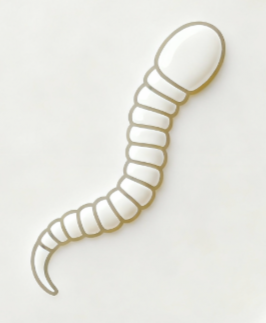
Pinworms reproduce by laying thousands of sticky eggs around the anus, which can survive on clothing, bedding, and surfaces for up to two weeks. The eggs hatch shortly after deposition, reinfecting the host if not effectively treated. This lifecycle necessitates repeat dosages of pinworm medication to target worms emerging from eggs missed by the initial treatment. Understanding this is key to controlling persistent infestations, especially in environments like UK homes and schools where transmission is common.
Lifecycle Necessitates Killing Hatchlings
The first medication dose primarily kills adult worms present at the time of treatment but does not affect eggs. These eggs will hatch after a few days, releasing larvae that will mature within two weeks. A second dose timed around 2 weeks after the first targets these newly mature worms before they reproduce, preventing reinfestation. This repeat dosage protocol closes the lifecycle gap that one treatment misses, which from experience is often where failure happens.
Environmental Egg Reservoirs Demand Ongoing Vigilance
Pinworm eggs persist in bedding, clothing, and household surfaces, leading to continual exposure and potential reinfection. Alongside medication, thorough daily cleaning and laundering are essential to complement repeat dosages. We’ve advised several Manchester schools to synchronise treatment with enhanced hygiene measures, drastically reducing recurrence. The repeat dose therefore accounts for eggs that survived in the environment and newly hatched worms from environmental exposure if hygiene is less than perfect.
Patient Compliance is Critical
A key practical challenge is ensuring patients understand the necessity of the second dose and adhere to timing guidelines exactly. I once encountered a York family who did not repeat treatment on schedule—the infestation lingered. Education emphasizing that missing or delaying the second dose is often why infestations persist can drastically improve outcomes. From a practitioner’s standpoint, clear communication and follow-up reminders in UK clinics improve compliance and success.
Repeat Dosage Minimizes Resistance Risk
Using the full repeat dosage regimen also reduces the risk of drug resistance development. Sub-lethal exposure from single doses can encourage survival of resistant worms. The UK parasitology community increasingly promotes strict adherence to protocols combining repeat doses with environmental control to prevent resistance and contain outbreaks.
Conclusion
Why pinworm treatments require repeat dosages boils down to biology, behaviour, and environment. Single doses kill active worms but not eggs; repeated treatment disrupts lifecycle hatchlings and, alongside rigorous hygiene, breaks reinfection cycles. What I’ve learned through real UK cases is that patient education and coordinated environmental cleaning are as important as medication itself. To control pinworms effectively, repeat dosing is non-negotiable and supported by decades of clinical data and field experience.
FAQs
Why is a second dose of pinworm medicine necessary?
The first dose kills adult worms; the second targets larvae hatched from eggs missed initially.
How long after the first dose should the second be taken?
Typically, 10 to 14 days after the first dose to catch new worms before reproduction.
Can skipping the second dose cause treatment failure?
Yes, skipping leads to persistent infestations as eggs hatch and reinfect.
Does hygiene affect the need for repeat dosing?
Poor hygiene increases reinfection risk, making repeat dosing and cleaning vital together.
Are single-dose treatments effective?
No, single doses do not eradicate eggs and larvae, often requiring retreatment.
What medications require repeat dosing for pinworms?
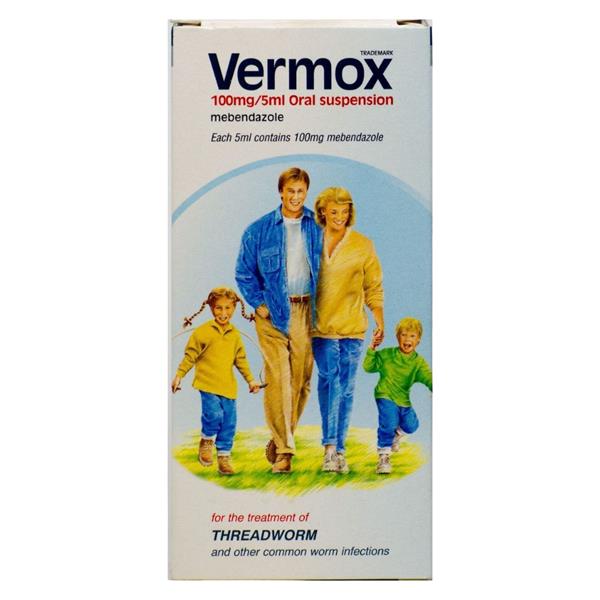
Mebendazole, albendazole, and pyrantel pamoate all require repeat dosing for efficacy.
Can repeat dosing reduce drug resistance?
Yes, it ensures full parasite kill and decreases survival of potentially resistant worms.
How do environment and behaviour affect pinworm persistence?
Eggs on surfaces cause reinfection if cleaning is inadequate; repeat dosing alone isn’t enough.
Can all family members be treated together?
Yes, simultaneous treatment prevents ping-pong reinfection cycles.
When should I consult a doctor for pinworm?
If symptoms persist after two complete treatment cycles or intensify, seek medical advice.