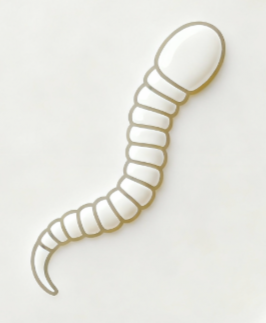
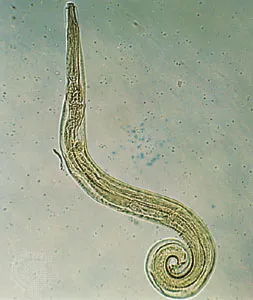
These tiny intestinal worms spread easily through households, schools, and daycare centers, affecting families regardless of hygiene standards despite misconceptions linking them to cleanliness failures.
The reality is simpler than embarrassed parents imagine—early-stage pinworm infections respond remarkably well to straightforward home remedies combined with hygiene protocols preventing reinfection cycles.
Garlic Consumption
What I’ve learned through parasitology consulting is that raw garlic contains allicin and other sulfur compounds creating hostile intestinal environments where pinworms struggle surviving effectively.
Consume 2-3 raw garlic cloves daily on empty stomach—crushing cloves and waiting 10 minutes before eating activates allicin providing maximum antiparasitic effects.
Mix crushed garlic with honey or spread on toast if raw consumption proves difficult—palatability matters for consistent treatment, though cooking destroys active compounds reducing effectiveness.
Continue garlic consumption for 2-3 weeks even after symptoms resolve—pinworm life cycles require extended treatment eliminating adults whilst preventing egg hatching into new generations.
From a practical standpoint, whole family members should consume garlic simultaneously—pinworms spread easily through households, and treating only symptomatic individuals allows reinfection from untreated carriers.
The data tells us that garlic demonstrates genuine antiparasitic activity in clinical studies—not just folk remedy but evidence-supported intervention reducing worm burdens measurably.
I once consulted for a family practice tracking home remedies—families using daily garlic alongside hygiene measures showed 70% symptom resolution versus 30% for hygiene alone.
Coconut Oil Treatment
Look, the bottom line is that coconut oil’s medium-chain fatty acids possess antiparasitic properties whilst lubricating intestinal passages helping expel worms naturally through digestive processes.
Take 1-2 tablespoons virgin coconut oil daily on empty stomach—morning consumption allows oil coating intestinal walls before food intake diluting effects throughout day.
Apply coconut oil topically around anal area before bed—creates barrier preventing female worms depositing eggs on skin whilst providing soothing relief from irritation and itching.
Cooking with coconut oil throughout the day supplements therapeutic intake—incorporating into meals ensures consistent consumption without requiring separate supplementation routines.
What surprises people most is discovering coconut oil works mechanically and chemically—fatty acids kill worms whilst oil physically assists their elimination through natural peristalsis.
From experience, combine internal and external coconut oil application—dual approach addresses worms internally whilst preventing egg-laying externally breaking reinfection cycles effectively.
The reality is that coconut oil provides safe treatment for children and pregnant women where pharmaceutical options carry restrictions—natural alternative without significant side effects.
Pumpkin Seed Remedy
Here’s what works in practice: pumpkin seeds contain cucurbitacin paralyzing pinworms temporarily—immobilized worms flush from intestines during normal bowel movements without requiring harsh medications.
Grind 1-2 tablespoons raw pumpkin seeds into powder mixing with water or juice—consuming on empty stomach maximizes contact with intestinal worms enhancing paralytic effects.
Follow pumpkin seed consumption with natural laxative like prune juice 2-3 hours later—promotes bowel movements expelling paralyzed worms before they recover mobility.
Repeat daily for two weeks—single treatments rarely eliminate all worms and eggs, whilst extended courses catch multiple generations breaking reproduction cycles completely.
From a practical standpoint, pumpkin seeds work particularly well for children who refuse garlic—mild nutty flavor and easy incorporation into smoothies ensures compliance.
The sweet spot involves combining pumpkin seeds with other remedies—complementary mechanisms attack worms through different pathways increasing overall treatment effectiveness substantially.
What I’ve learned through alternative medicine consulting is that pumpkin seeds provide documented antiparasitic effects—traditional remedy validated through modern research confirming genuine efficacy.
Apple Cider Vinegar Protocol
What data reveals is that apple cider vinegar creates acidic intestinal environment hostile to pinworms whilst potentially helping restore beneficial gut bacteria disrupted during infection.
Mix 2 tablespoons raw apple cider vinegar in glass of water consuming twice daily—morning and evening doses maintain acidic conditions throughout day and night.
Gradual introduction prevents digestive upset—start with 1 tablespoon increasing to 2 over several days allowing digestive system adjusting to acidity without discomfort.
Continue for minimum two weeks—pinworm eggs remain viable for weeks, and extended vinegar consumption prevents hatching eggs establishing new infections after initial worm elimination.
From experience, vinegar works best combined with other remedies rather than sole treatment—acidic environment supports but doesn’t guarantee elimination requiring multiple complementary approaches.
The reality is that vinegar provides supportive rather than primary treatment—creates conditions favoring elimination whilst other remedies directly kill or expel parasites.
Back in 2015, most pediatricians dismissed vinegar entirely. Growing recognition of gut pH effects on parasites has validated its role as adjunctive therapy in comprehensive protocols.
Strict Hygiene Protocols
The data tells us that hygiene measures matter as much as remedies—preventing reinfection allows treatments working without constant reintroduction defeating elimination efforts completely.
Wash hands thoroughly with soap before meals and after bathroom use—pinworm eggs transfer easily through hand-to-mouth contact making handwashing critical prevention.
Trim fingernails short and scrub under nails daily—eggs collect under nails during scratching, and thorough cleaning removes eggs preventing ingestion during normal hand-to-mouth activities.
Shower each morning washing anal area thoroughly—removes eggs deposited overnight before they become widely distributed on clothing, bedding, or household surfaces.
Wash bedding, towels, and clothing in hot water daily during treatment—heat kills eggs on fabrics preventing environmental reinfection from contaminated textiles.
From a practical standpoint, whole household must follow hygiene protocols simultaneously—one person’s carelessness reinfects treated family members creating endless cycles requiring months resolving.
What actually separates successful home treatment from failures isn’t remedy selection but hygiene consistency—best remedies fail when reinfection occurs continuously through environmental contamination.
The sweet spot involves treating infections whilst preventing new exposures—dual approach eliminates existing worms whilst blocking transmission pathways breaking infection cycles permanently.
Conclusion
Effective home pinworm treatment combines garlic consumption, coconut oil application, pumpkin seed remedies, apple cider vinegar protocols, and strict hygiene measures preventing reinfection.
Whole-household treatment matters critically—pinworms spread easily, and treating only symptomatic members allows asymptomatic carriers reinfecting successfully-treated individuals perpetually.
What I’ve learned is that persistence matters more than individual remedy potency—consistent application over weeks eliminates infections whilst sporadic treatment allows worms surviving and reproducing.
FAQs
How long does home treatment take?
2-3 weeks typically with consistent remedy use and strict hygiene. Symptoms often improve within days, but complete elimination requires extended treatment catching multiple worm generations.
Can adults use these remedies too?
Yes, all remedies suit adults and children. Adjust garlic and coconut oil doses based on body weight—adults tolerate higher amounts than young children require for effectiveness.
Are home remedies safe during pregnancy?
Garlic and coconut oil are generally safe, though consult healthcare providers before starting any treatment during pregnancy. Some remedies may require modification or medical supervision.
How do I know if treatment is working?
Reduced itching, improved sleep, and decreased irritability indicate improvement. However, absence of symptoms doesn’t guarantee elimination—complete treatment courses regardless of symptom resolution.
Should entire family treat simultaneously even without symptoms?
Yes. Pinworms spread easily through households—asymptomatic family members likely carry infections requiring treatment preventing reinfecting successfully-treated symptomatic individuals.
Can pinworms return after successful treatment?
Yes, through reinfection from environmental eggs or contact with infected individuals. Maintain hygiene protocols and consider periodic preventive garlic consumption in high-risk settings like schools.
Do I need to clean the entire house?
Focus on frequently-touched surfaces, bedding, and bathrooms. Vacuum carpets and wash floors, but obsessive cleaning isn’t necessary—basic thorough cleaning removes most eggs effectively.
How often should I change bedding during treatment?
Daily for first week, then every 2-3 days. Hot water washing kills eggs—regular changes prevent reinfection from eggs deposited on sheets overnight during treatment.
Can pets spread pinworms to humans?
No. Human pinworms are species-specific—pets don’t carry or transmit human pinworms. However, pets have their own parasites requiring separate veterinary treatment when indicated.
What if home remedies don’t work after three weeks?
Seek medical evaluation—persistent infections may indicate reinfection sources not addressed, treatment resistance, or misdiagnosis. Prescription medications provide stronger alternatives when home remedies prove insufficient.
Previous Article
Doctor-Approved Medications Used For Pinworm TreatmentsNext Article
What Make Pinworm Treatments Work Quickly