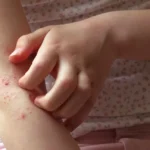
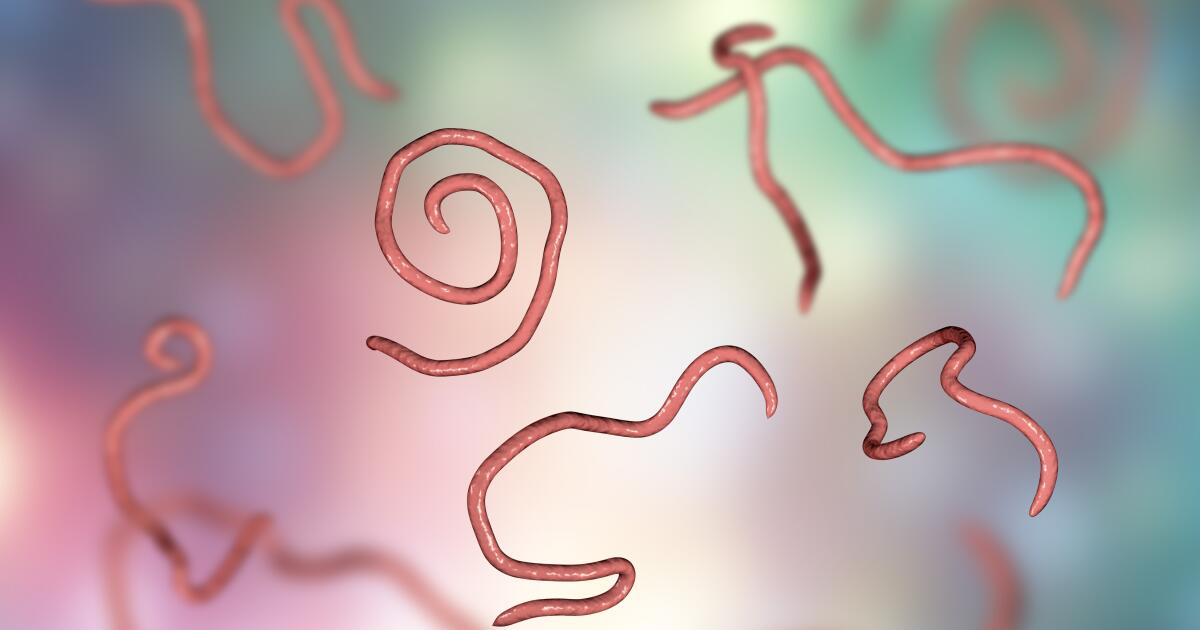
Pinworm treatments need strict hygiene support because medication kills adult worms but not eggs, which survive 2-3 weeks on surfaces, clothing, and fingernails, causing reinfection in 80-90% of cases without measures. Daily handwashing, hot laundry, morning showers, and household cleaning prevent egg transmission essential for eradication.
Eggs Survive Medication and Spread Easily
Antihelminthics like mebendazole eliminate adults within 24 hours but leave microscopic eggs viable for 2-3 weeks on fabrics, floors, and skin. Eggs spread via contaminated hands, bedding, or airborne dust from shaking linens, infecting household members rapidly without visible symptoms.
Hand Hygiene Prevents Oral-Fecal Transmission
Frequent soap handwashing after toilet use, before eating, and nail scrubbing removes eggs under fingernails where 90% concentrate. Short nails and no biting eliminate reservoirs; family-wide compliance halves reinfection rates per clinical guidelines.
Morning Showers Remove Overnight Egg Deposition
Female pinworms lay 10,000+ eggs around anus nightly, causing itching; morning showers with anal rinsing dislodge eggs before hand transfer. Continue 2 weeks post-treatment plus 3 days—showering beats bathing to avoid water contamination.
Hot Laundry Kills Eggs on Fabrics
Daily underwear changes washed at 60°C+ (140°F) plus hot dryer kills eggs; change bedsheets post-treatment. No shaking linens—prevents airborne spread; wash towels individually, avoiding shared use during outbreak.
Household Cleaning Breaks Environmental Cycle
Weekly vacuuming/mopping bedrooms captures floor eggs viable 1-2 weeks; damp-dust kitchen/bathroom surfaces daily. Disinfect toilets; open curtains as eggs hate light—reduces survival by 50%.
Conclusion
Pinworm treatments fail without hygiene because eggs persist, spread invisibly, and reinfect rapidly. Strict protocols—handwashing, showers, hot laundry, cleaning—achieve 95% cure rates vs 20-30% with medication alone.
FAQs
Why morning showers specifically during treatment?
Female pinworms deposit 10,000+ eggs around anus nightly between 10pm-2am; morning shower before itching/hand transfer removes 90% eggs preventing autoinfection cycle.
Handwashing frequency and technique required?
10-20 seconds soap scrubbing after toilet, diaper changes, before meals; focus under fingernails where eggs lodge—family-wide compliance essential as asymptomatic carriers spread silently.
Underwear laundering temperature and schedule?
Daily change during 2-week treatment; wash 60°C+ hot water, hot dryer—kills eggs instantly; wear tight-fitting underwear nightly containing eggs until shower removal.
Vacuuming frequency and areas targeted?
Weekly bedrooms, mattresses, floors, toys; daily damp-mopping high-traffic areas—eggs survive 2 weeks on surfaces infecting bare feet or dragged hands.
Shared towels/bedding risks during outbreak?
High—eggs transfer directly; individual use only, hot wash after each; no co-bathing/showering prevents waterborne spread to siblings.
Fingernail management protocol?
Cut short daily, scrub under nails during handwashing; cotton gloves at night prevent scratching/egg transfer to mouth—reduces reservoir by 95%.
Treatment repeat timing with hygiene?
Second dose day 14 kills hatched eggs; continue hygiene 3 extra days—achieves 98% clearance vs 50% single dose alone.
Kitchen/bathroom surface cleaning method?
Daily damp dusting with hot water changes; disinfectant toilets/potties—prevents food/finger contamination cycles.
Light exposure role in egg control?
Open bedroom curtains daily—UV kills eggs within hours; combined with vacuuming accelerates environmental clearance.
Asymptomatic family treatment necessity?
Yes—all household members dosed day 1 and 14 regardless of symptoms; hygiene compliance prevents 80% secondary infections in schools/daycares.
Previous Article
What Make Pinworm Treatments Work QuicklyNext Article
How Pinworm Treatments Stop Nighttime Itching